
Mediterranean native seeds germination
Do your bit to help restore the Vega Baja!Using native species on our balconies and in our gardens is the best decision we can make, because they are best adapted to local conditions, as well as being the only ones that enable us to restore the ecosystems or habitats native to the area. However, it is difficult to find them in the garden centres of the Vega Baja, where exotic and ornamental species are much more common.
If you want to grow your own plants for your sustainable garden, saving water and promoting biodiversity in your local area, why not give germinating native species a go? It’s also a hobby that’s directly connected to the natural world around us, a lesson in patience and biology in action that can sometimes turn into a real botanical challenge.
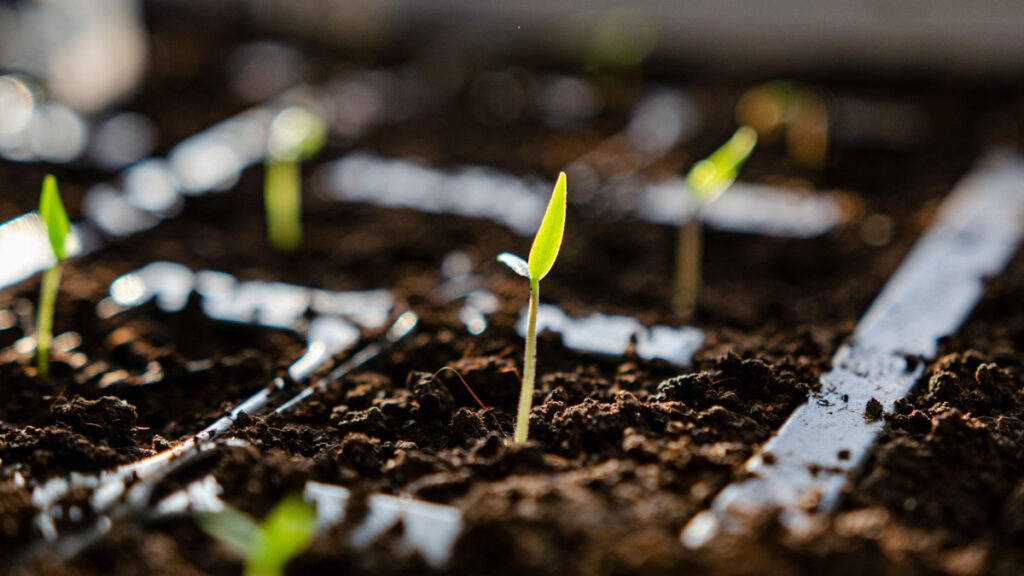
The science of seeds
To succeed in seeds germination, it is important to understand that Mediterranean plants employ strategies to optimise the survival of their seeds. Reproducing this strategy is key if we want our seeds to germinate successfully.
Firstly, it is important to realise that not all seeds withstand drying out in the same way, which is important when it comes to their storage. The different types of seeds, categorised according to their desiccation tolerance are the following:
- Orthodox seeds: they can be dried and stored for years. Examples: lentisk, dwarf palm, pine
- Recalcitrant seeds: they don´t tolerate desiccation and must be planted quickly. Examples: holm oaks and kermes oaks (acorns), chestnut.
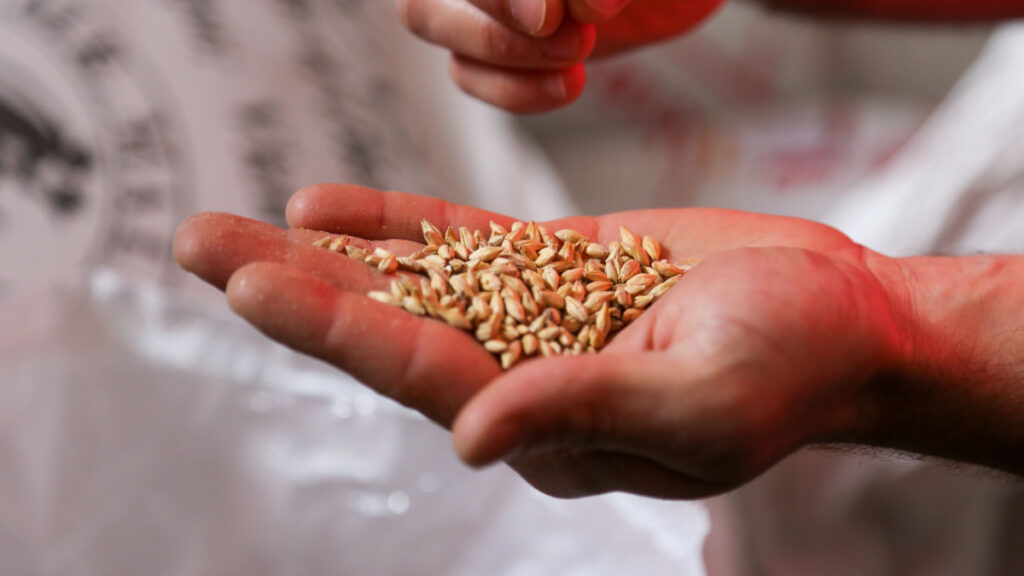
Furthermore, many seeds will not germinate straight away if we plant them, because they are subject to a barrier known as latency or dormancy, which serves to delay germination until the right time arrives. Some common types of dormancy are as follows:
No dormancy
The seed can germinate straight away
Treatment: none, soaking them my be helpful
Examples: Ziziphus lotus, Lygeum spartum, Osyris lanceolata
Physical dormancy
Hard and impermeable seed coat
Treatment: scarification (sanding down), acid or thermal shock
Examples: carob tree, Cistus sp., Retama sp.
Physiological dormancy
The seed needs to feel the changing of seasons
Stratification (keep the seed moist in cold/hot environment)
Examples: ash tree, nettle tree, honeysuckle
Chemical dormancy
The seed coat/fruit contains inhibitory substances
Depulping and washing. Sometimes, need to use neutralising substances
Examples: ivy, bay, wild grape
Quite commonly, seeds not to exhibit just one of these dormancy types, but a combination of them.
Let´s get to work!
Germinating seeds from native species does not require expensive or complicated facilities. The most important thing is to know where and when to collect your seeds, as well as to understand the specific germination process of the species you have chosen.
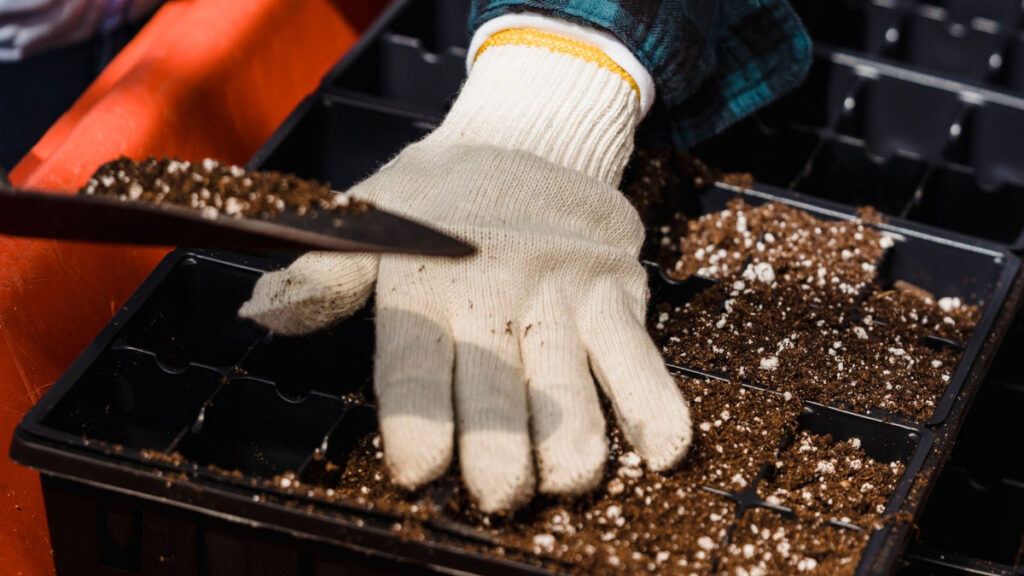
The steps to follow are the following:
- Harvesting. First, make sure that your target plant is not protected, either because of its species or its location. Collect the minimum number of seeds and always leave enough on the plant, as, as well as ensuring its reproduction, the fruits and seeds are an important source of food for wildlife.
- Cleaning. At home, rinse the seeds with clean water in a sieve and, if they are inside fruit, make sure to remove all the pulp. If you are not going to plant them straight away, leave the seeds to dry in the air for 4 or 5 days and then store them in a sealed container in the fridge.
- Treatment. Check whether your seeds are dormant and treat them accordingly. We’ve provided some examples below.
- Sowing. Use deep pots (at least 20 cm), filled with a well-draining growing medium, such as a mixture of peat or coconut fibre and sieved local soil, without any gravel or stones at the bottom. If you plan to transplant your plants into the ground later, use forest seed trays. The seeds should be sown at a depth of between their own size and twice that.
- Exposure and watering. Place your pots in a spot with plenty of light. In winter, they can be left in direct sunlight, but during warmer months it is best to choose sheltered spots. Water using a fine-spray watering can, taking care not to overwater to prevent waterlogged roots and fungal growth.
Here are some facts about some of the iconic species found in our area:
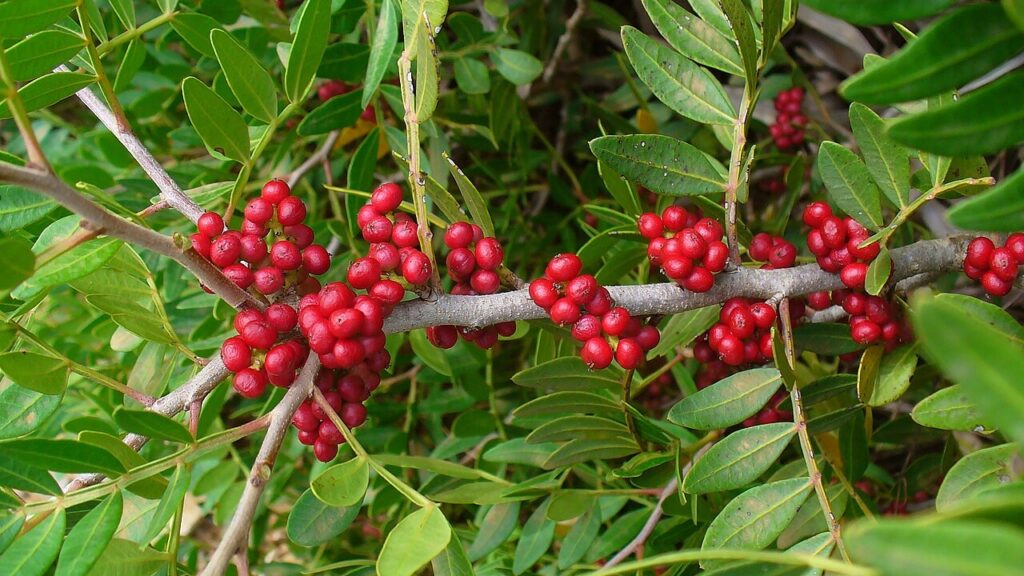
Lentisk
- Harvest brown beans in September/October
- Orthodox seeds
- No dormancy, although 1 month of cold stratification accelerates germination
- Fun fact: its resin ("almáciga") was used as chewing gum in ancient times
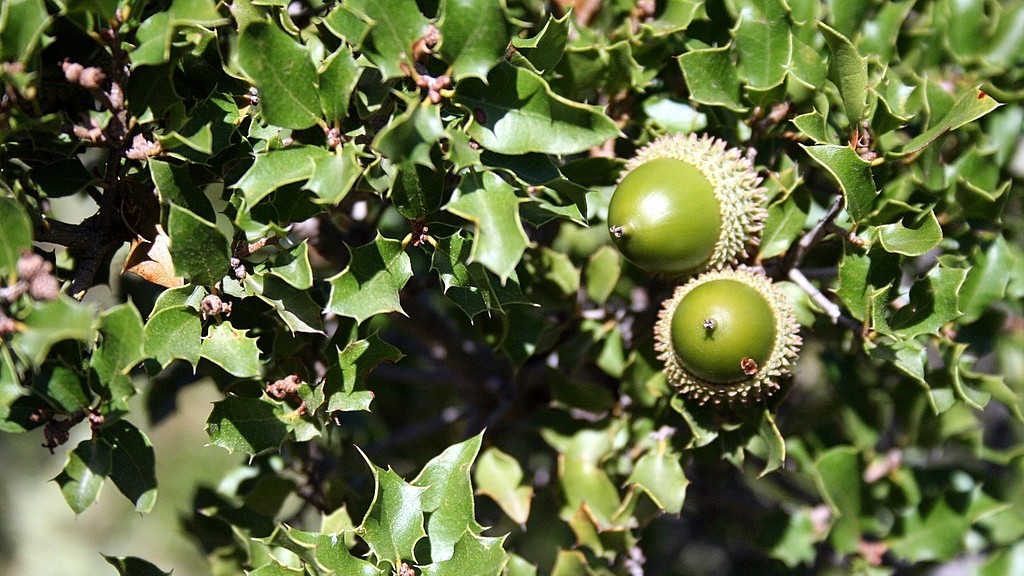
Kermes oak
- Harvest brown acorns in October/November
- Recalcitrant seeds
- No dormancy. 24h-period soaking recommended.
- Fun fact: it is capable of regrowing after fires or droughts
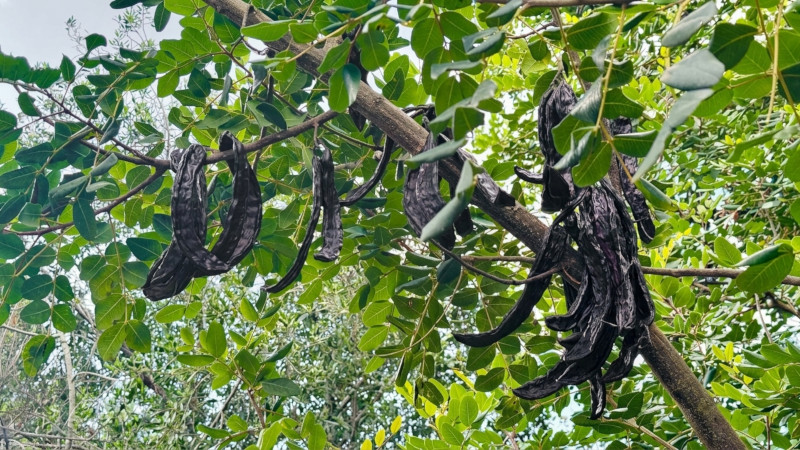
Carob tree
- Harvest brown beans in September/October
- Orthodox seeds
- Physical dormancy. Expose the seeds 5-20 seconds to boiling water.
- Fun fact: its standard seeds were used as a unit of weight for gold
At ARBA Vega Baja, we believe that every seed holds the promise of a future for our region. We will soon be organising workshops on seed collection and germination, where you can learn these techniques through hands-on practice.
Would you like to be the first to know? Sign up for updates on our workshops and volunteering days by filling in your details on the contact form: